 Andy Shane
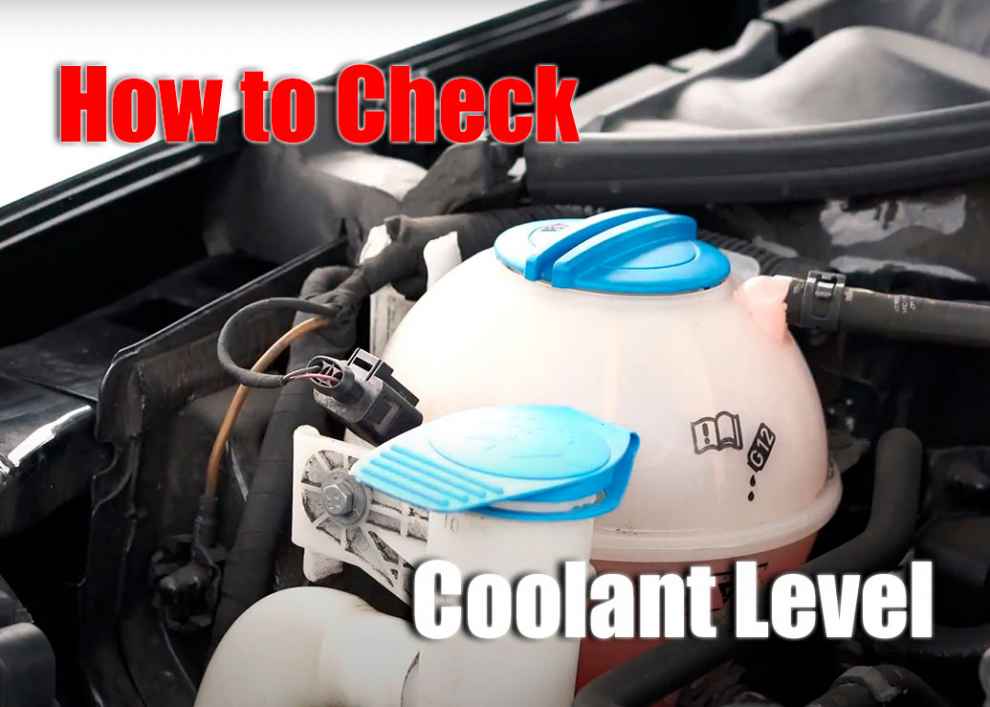
Do you know how to check coolant level? It’s important for your car to always have a coolant level that is above the minimum. If it falls below the minimum, then there may be a problem with your coolant system. Here we will show you how to check coolant levels in order to avoid future problems and keep your engine running smoothly!
Step #1
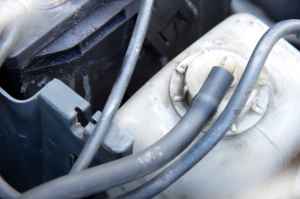 Open your car’s hood and locate the coolant reservoir. It will be near your engine block on the passenger side of your vehicle.
Step #2
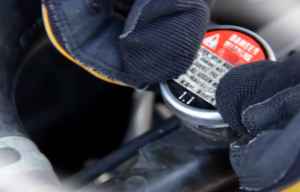
Using a screwdriver, unscrew the cap from the top of your radiator and you should see two hoses attached to it with one going into each end. The hose coming out of the driver-side end is where you want to measure coolant levels in order to check for any leaks or problems, so make sure that this area doesn’t have anything obstructing its paths like leaves or other debris.
Step #3
Take note as well if there are bubbles present when opening up your radiator cap – this may indicate an issue with something such as air pockets in your cooling system which could lead to overheating issues. Make note of anything that you observe and proceed to follow the same steps for your coolant reservoir.
Step #4
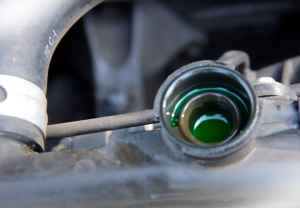 You should also be checking any leaks from radiator hoses or other parts of your engine block, basically anywhere fluid may leak out – this is a sign of an issue with some part in your cooling system, so take note of where it’s coming from and what color the pooled liquid on the ground looks like.
If there are no bubbles present when opening up light-colored coolant levels as well as if there are no leaks seen at all then congratulations! You properly maintain the car and change the coolant on time which will help keep it running smoothly. If not, those issues need to be addressed before they become bigger problems down the road.
Step #5
Be sure to do these checks. Then check the coolant level in your engine’s reservoir. It should be between MIN and MAX lines of the gauge, which are usually labeled “LOW” and “HIGH.” If you don’t have a low side fill point on your coolant system, then stop driving immediately! The coolant will leak out of your car when it gets too hot due to an insufficient amount.
 Use the following formula to calculate how much fluid needs to be added: Total Liters Remaining – (Total Liters Added + Recirculated Coolant) = Amount Needed To Be Added.
Step #6
Add new or recycled liquid until both levels match up again as closely as possible with each other.
Conclusion
Make sure to check coolant levels on a regular basis and make any needed repairs before they become bigger problems.
Note the color of your coolant, bubbles present while opening the radiator cap, or leaks from hoses or engine blocks in order to help diagnose what may be wrong with your cooling system.
Add Comment